


Data Link layer uses a set of network protocols specially designed for different network technologies and environments. Which protocols to use depend on the type and hardware of the network. Here are some common Data Link layer protocol examples: Ethernet (IEEE 802.3) Ethernet is the most common Data Link protocol commonly used in wired LAN

GPS / GNSS Anti-Jam Systems provide signal security, usually using two main approaches: Anti-Jamming (AJ) Systems These systems are used to regain GPS / GNSS signals mixed or blocked by enemy intervention and to provide accurate location and time information. These include special algorithms and antennas that can identify and interfere with powerful jamming signals.

In an era where digital transformation is progressing rapidly, industries are turning to new technologies to optimize business processes and gain competitive advantage. One of the main components of this transformation, called Industry 4.0, is telemetry technology. Telemetry offers significant advantages to businesses by offering data collection and remote monitoring capabilities in many industrial areas,
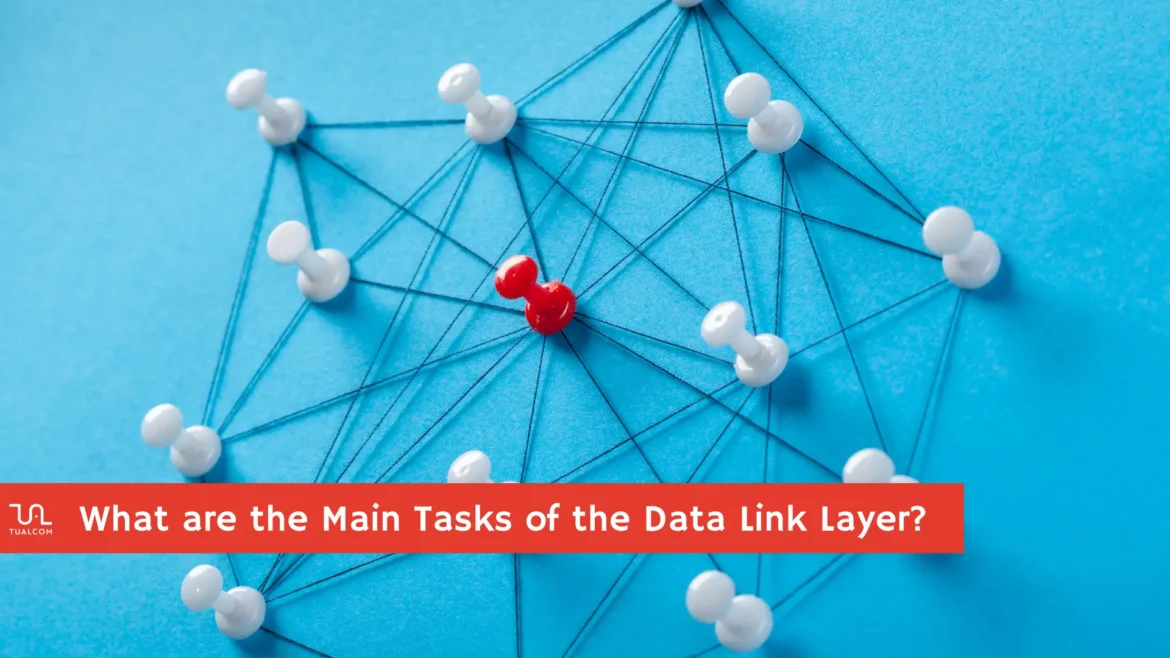
Data Link Layer handles framing, MAC addressing, error detection, flow control, and media access in local network communication. Main tasks of the Data Link Layer are listed below: Frame Creation (Frame Encapsulation) Data Link layer packs data from the network layer into frames. These frameworks are the basic communication units that enable data to be
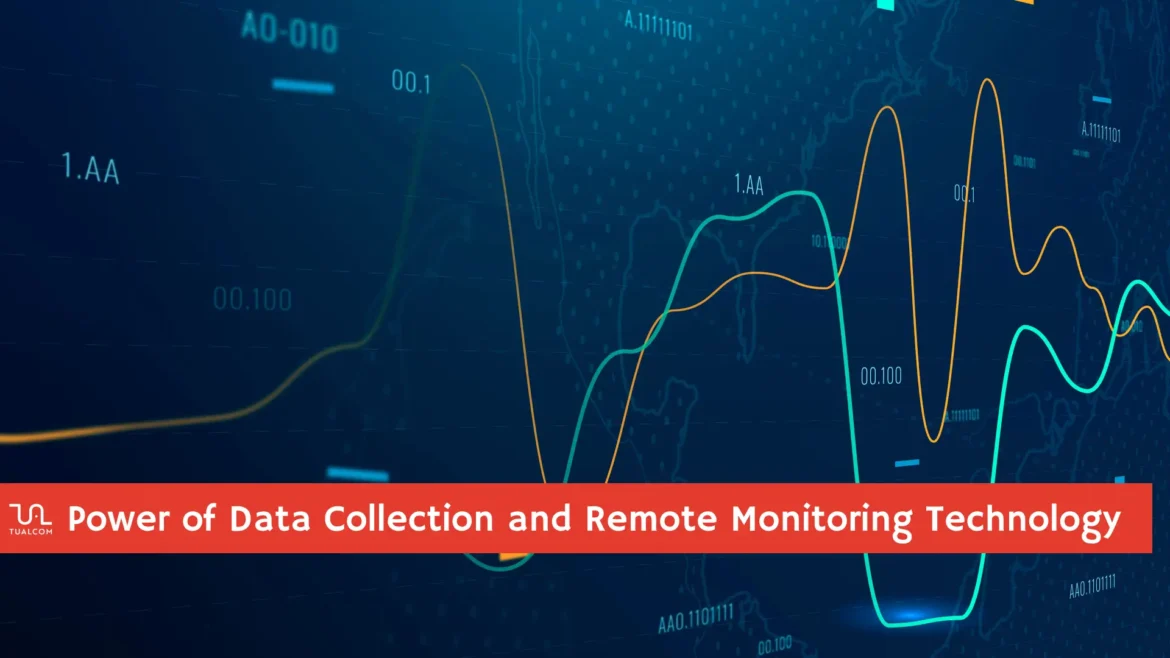
Today, the need to collect, analyze and monitor remotely in many sectors is increasing. One of the technologies used to meet this need is called telemetry. Telemetry plays an important role in many different application areas and is used in a wide range from scientific research to industrial processes. What is Telemetry? Telemetry is the
Time probably is the most under-appreciated concept by many that use it. Everyone experiences it but explaining is a difficult job. The perception of time is usually associated with change and for that one needs a unit and a starting point, moreover some sort of uniformity is also required for the unit. Defining a unit
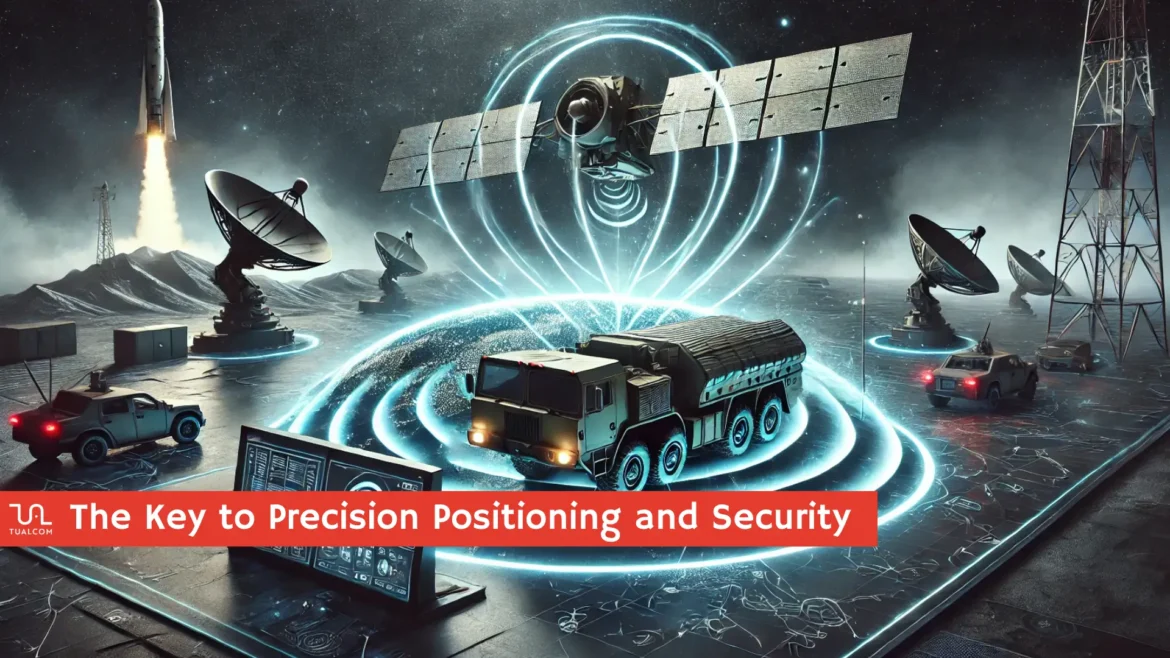
Today, positioning and time synchronization worldwide play a critical role in many areas, from military operations to our daily life. GPS (Global Positioning System) and GNSS (Global Navigation Satellite System) are the most widely used global satellite-based navigation systems in this field. However, the reliability and accuracy of these systems may be threatened by possible
Data Link is a network layer that regulates and controls data transmission on a computer network. They have tasks such as transmitting data into frames in the physical environment and identifying target devices. Have you reviewed our article titled What is Data Link These questions and answers can help you gain a better understanding of
Data connection ( Data Link) is a network layer that regulates and controls data transmission on a computer network. Computer networks consist of a series of layers to enable data transmission between computers, and each layer performs a specific task. The Data Link layer controls data transmission on the physical environment and performs the following
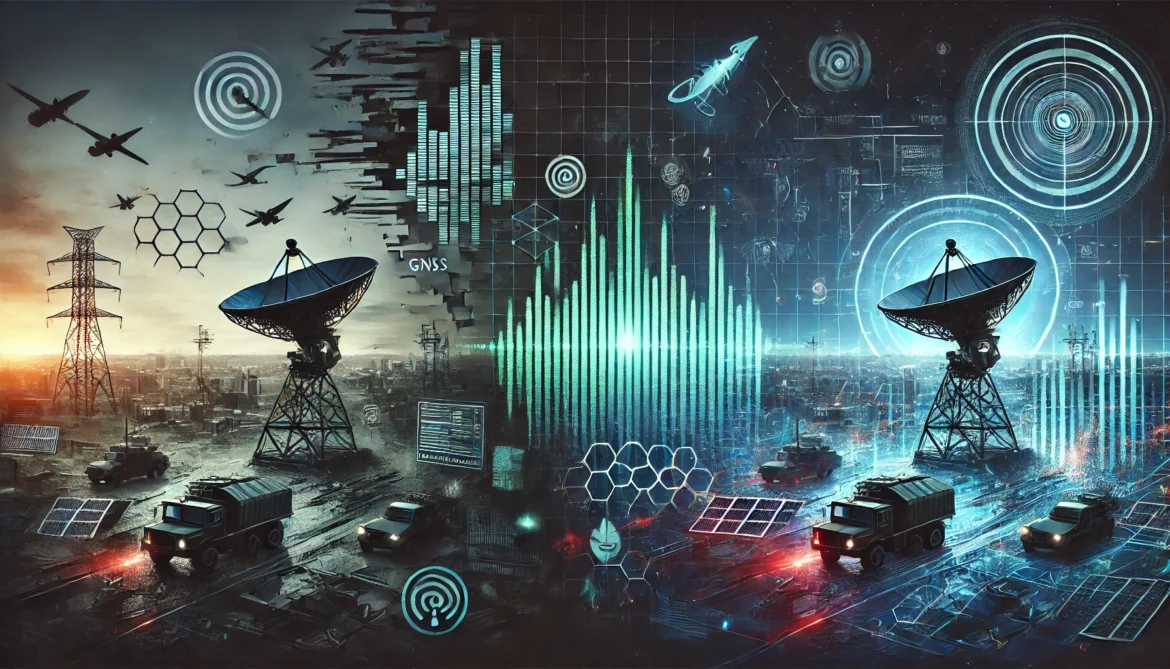
Space and Defense research is the main driving force behind today’s technology used in daily-life. Originally proposed to pinpoint submarine locations back in the 1960’s, the Global Positioning System (GPS) has now evolved to provide precise position and timing information with global satellite constellations put in space specifically for this purpose with a more general